
Can Decalcification from Braces Be Reversed? What Parents Need to Know
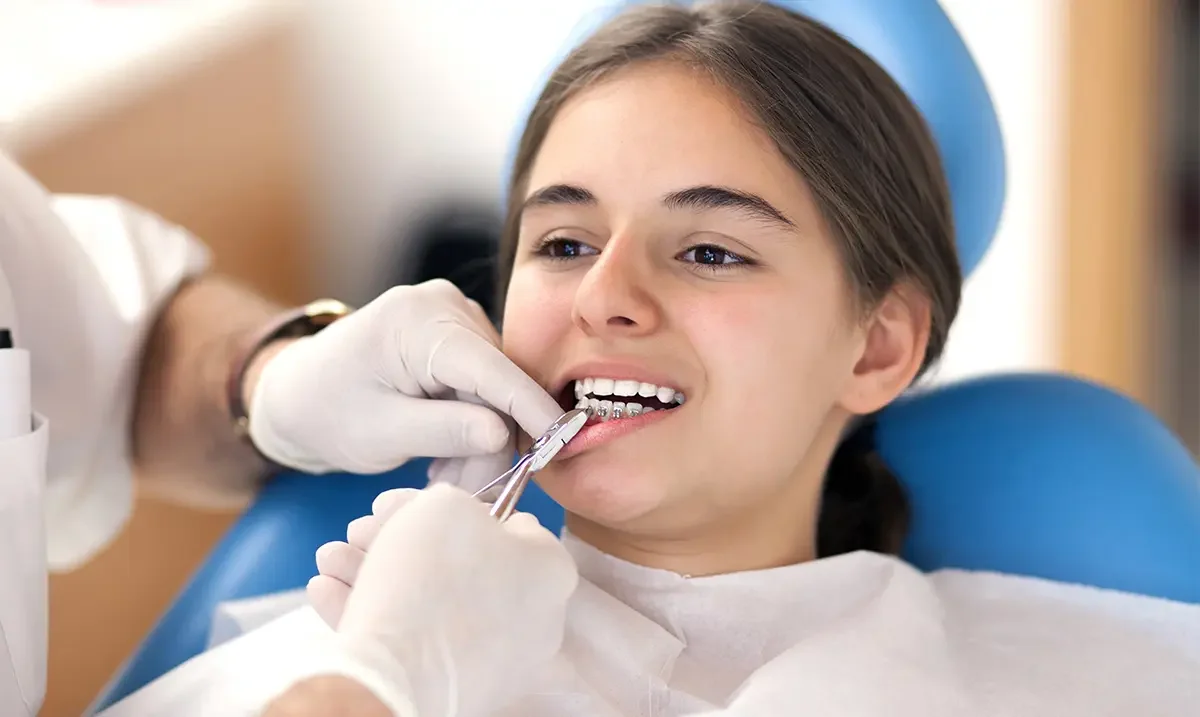
If your child is wearing braces - or just had them removed - you may have noticed chalky white spots on their teeth. These marks, known as decalcification, are one of the most common concerns parents bring up during and after orthodontic treatment.
The good news? In many cases, mild decalcification can be improved or even reversed. But the approach matters, and it starts with understanding what those white spots actually are and what your orthodontist can do about them.
At Cuozzo Orthodontics, we have been guiding families through every stage of orthodontic care since 1972 - including monitoring for and addressing decalcification throughout treatment.
What Is Decalcification, and Why Does It Happen with Braces?
Decalcification is the loss of calcium and other minerals from the tooth's enamel surface. When plaque builds up around brackets and wires, the bacteria in that plaque produce acids. Over time, those acids pull minerals out of the enamel, leaving behind white, chalky patches.
These spots typically show up in the areas immediately surrounding the brackets - right where brushing and flossing can be most challenging. They are not cavities yet, but they are an early warning sign that the enamel has been weakened.
It is worth noting that decalcification does not happen to every patient who wears braces. With consistent oral hygiene and regular monitoring, most patients complete treatment without any white spot lesions at all. We wrote a detailed guide on preventing tooth decalcification with metal braces that covers exactly how to protect your child's enamel during treatment.
Can Decalcification Actually Be Reversed?
This is the question most parents want answered - and the answer depends on the severity.
Mild decalcification affects only the outermost layer of enamel. At this stage, the mineral loss has not progressed deep enough to cause structural damage. The body's natural remineralization process - supported by saliva, fluoride, and good hygiene - can often restore these areas over time.
Moderate to severe decalcification involves deeper mineral loss that may have changed the texture or structure of the enamel surface. At this stage, full reversal becomes less likely, though the appearance can still be significantly improved with professional treatment.
The key takeaway: the earlier decalcification is caught, the better the outcome. That is one of the reasons your orthodontist checks for these changes at every adjustment appointment - catching early signs means more options for treatment.
How Your Orthodontist Addresses Decalcification
Reversing or improving decalcification is not a DIY project. Your orthodontist and dental team have several professional approaches depending on the severity and location of the white spots.
Fluoride Therapy
Professional-strength fluoride treatments help drive minerals back into weakened enamel. Your orthodontist may recommend prescription-strength fluoride toothpaste, in-office fluoride varnish applications, or both. These treatments are significantly more effective than over-the-counter products at promoting remineralization.
Remineralization Protocols
Beyond fluoride, your orthodontist may recommend products containing casein phosphopeptide-amorphous calcium phosphate (CPP-ACP) or similar remineralizing agents. These work by delivering calcium and phosphate directly to the enamel surface, helping rebuild the mineral structure that was lost.
Your orthodontist will recommend the specific products and protocol that make sense for your child's situation.
Microabrasion
For white spots that do not fully respond to remineralization, microabrasion is a minimally invasive option. This technique gently removes a thin layer of the affected enamel surface, blending the white spot with the surrounding tooth. It is a conservative approach that preserves as much natural enamel as possible.
Resin Infiltration
Resin infiltration (sometimes known by brand names like Icon) is a newer technique that fills the porous, demineralized enamel with a tooth-colored resin. This stops the progression of the white spot and dramatically improves its appearance - often in a single appointment. No drilling or anesthesia is required.
Cosmetic Bonding or Veneers
In the most severe cases, where decalcification has caused visible pitting or significant discoloration, cosmetic bonding or porcelain veneers may be discussed as longer-term solutions. These are typically a last resort and would be coordinated between your orthodontist and general dentist.
What Parents Can Do Right Now
While professional treatment is the path to reversing decalcification, there are several things you can do at home to support the process.
During braces treatment:
Make sure your child brushes thoroughly after every meal, paying special attention to the areas around brackets
Use a fluoride rinse daily (your orthodontist can recommend a specific product)
Limit sugary and acidic foods and drinks - sodas, sports drinks, and candy are the biggest culprits
Keep every scheduled adjustment appointment so your orthodontist can monitor enamel health
Consider a water flosser to help clean hard-to-reach areas around wires and brackets
After braces are removed:
Continue excellent oral hygiene - the remineralization process takes time
Follow your orthodontist's recommendations for any prescribed fluoride products
Be patient - mild white spots often fade noticeably over the first several months after braces come off
Attend all follow-up appointments so your dental team can track progress
How Cuozzo Orthodontics Monitors for Decalcification
At our Sea Girt and Lincroft offices, monitoring for decalcification is a standard part of every appointment. Dr. Pat Cuozzo and Dr. James Dodd examine each patient's enamel during adjustments, looking for the earliest signs of mineral loss.
If white spots are detected, we adjust the treatment approach right away - whether that means modifying the hygiene protocol, applying professional fluoride, or recommending specific at-home products. The goal is always to catch changes early, when they are most treatable.
For our younger patients in children's orthodontics, we place extra emphasis on hygiene education from the very first appointment. Teaching kids proper brushing habits around braces is one of the most effective ways to prevent decalcification from developing in the first place.
The Relationship Between Prevention and Reversal
Prevention and reversal are two sides of the same coin. The same habits that prevent decalcification - thorough brushing, fluoride use, limiting sugary foods, and keeping regular appointments - are also the habits that support reversal when white spots have already appeared.
If your child already has white spots, do not panic. Many parents feel guilty or worried when they see these marks, but decalcification is a common and well-understood condition. With the right professional guidance, the outcome is usually very positive.
The most important step is having your orthodontist evaluate the spots and recommend a treatment plan tailored to your child's specific situation.
When to Talk to Your Orthodontist
You do not need to wait for your next scheduled appointment if you notice white spots on your child's teeth. Contact your orthodontist's office to discuss what you are seeing. Early intervention gives the best chance for reversal, and your orthodontic team would always rather hear from you sooner than later.
If your child is not yet in orthodontic treatment but you are planning ahead, ask about decalcification prevention during your initial consultation. At Cuozzo Orthodontics, we build prevention into our treatment approach from day one.
Have questions about decalcification or your child's orthodontic care? Contact our team at our Sea Girt or Lincroft office - we are always happy to help.
Frequently Asked Questions
-
Not necessarily. Mild decalcification that affects only the surface layer of enamel can often be reversed through fluoride therapy and remineralization. More severe cases may not fully reverse but can be significantly improved with professional treatments like resin infiltration or microabrasion.
-
With proper care and professional guidance, mild white spots often begin to fade within a few months after braces are removed. The timeline varies depending on severity, oral hygiene habits, and whether professional remineralization treatments are used. Your orthodontist can give you a more specific estimate based on your child's situation.
-
While good oral hygiene and fluoride products support the remineralization process, decalcification should be evaluated and managed by your orthodontist or dentist. They can determine the severity and recommend the most effective treatment approach. Home care is an important part of the plan, but it works best when guided by a professional.
-
No. Decalcification is a precursor to cavities - it means the enamel has lost minerals but has not yet developed an actual cavity. If caught early and treated properly, decalcification can be reversed before it progresses to tooth decay.
-
Thorough brushing after every meal, daily fluoride rinse, limiting sugary and acidic foods, and keeping all scheduled orthodontic appointments are the most effective prevention strategies. Read our full guide on preventing tooth decalcification with metal braces for detailed tips.