
Orthodontic Appliances
Orthodontic appliances help guide teeth, support jaw development, correct bite relationships, and protect the results of treatment. Depending on the patient’s needs, an appliance may be used on its own or alongside braces, clear aligners, or another orthodontic treatment.
Every appliance has a specific job. Our orthodontists determine whether one is needed based on the patient’s bite, tooth position, jaw development, age, and overall treatment plan.
-
Retainers
Retainers hold the teeth in their corrected positions after braces, palatal expander, or clear aligner treatment is complete. Because teeth can shift throughout life, consistent retainer wear is essential for maintaining a straighter smile.
Retainers may be removable or fixed, depending on the patient’s needs. Patients should follow their orthodontist’s instructions for how often to wear them as well as learn how to clean, store, and handle the appliance through our retainer wear and care guidance.
-
Rubber Bands
Orthodontic rubber bands, also called elastics, add carefully directed force to help improve the way the upper and lower teeth fit together. They are commonly worn with traditional braces during specific stages of treatment, but can sometimes be worn with other appliances.
Elastics only work while they are being worn, so following the prescribed schedule matters. Patients should attach them exactly as instructed and replace them regularly rather than doubling up after missed wear.
-
Headgear, Facemasks, and Facebows
Orthodontic headgear may be recommended when additional guidance is needed for jaw growth or bite correction. Depending on the diagnosis, headgear may use an external strap and facebow connected to braces or another fixed appliance to apply force in a carefully controlled direction.
A reverse-pull facemask is a form of headgear that may be used to help correct an underbite by encouraging forward development of the upper jaw. Headgear and facemasks must be assembled, positioned, and worn exactly as prescribed to provide the intended benefit without placing force in the wrong direction.
-
Palatal Expanders
A palatal expander gradually widens the upper jaw to create more room for developing teeth or improve a narrow upper arch and crossbite. Expansion is most commonly considered while a child’s jaw is still developing, which is one reason early orthodontic observation can be valuable.
Cuozzo Orthodontics offers both the traditional Rapid Palatal Expander and the Memoria® Leaf Spring Activated Expander. The type of palatal expander used depends on each patient’s individual needs.
The traditional Rapid Palatal Expander is activated at home using a special key to gradually expand the palate over a shorter period of time. The Leaf Expander uses calibrated springs to provide light, continuous pressure and is typically used when a smaller amount of expansion is needed. Once placed and activated, this fixed appliance works without requiring parents to perform daily activations at home. The spring can also be reactivated during office visits as needed.
-
Temporary Anchorage Devices
Temporary anchorage devices, commonly called TADs, are small titanium anchors placed through the gum tissue and into the underlying bone. They provide a stable point from which controlled force can be applied when certain tooth movements would be difficult to achieve with braces or Invisalign® treatment alone.
TADs are only recommended when they can provide a meaningful treatment advantage. Placement is typically brief, and the device is removed after it has completed its role in the treatment plan.
How Orthodontic Appliances Are Selected
The right appliance depends on what needs to move, how the bite fits together, and whether the jaws are still growing. Diagnostic images, dental development, facial balance, available space, and the complexity of the bite all help our orthodontists determine the most appropriate approach.
Not every patient needs an additional appliance. For those who do, it becomes one carefully planned part of a customized treatment strategy for a child, teenager, or adult.
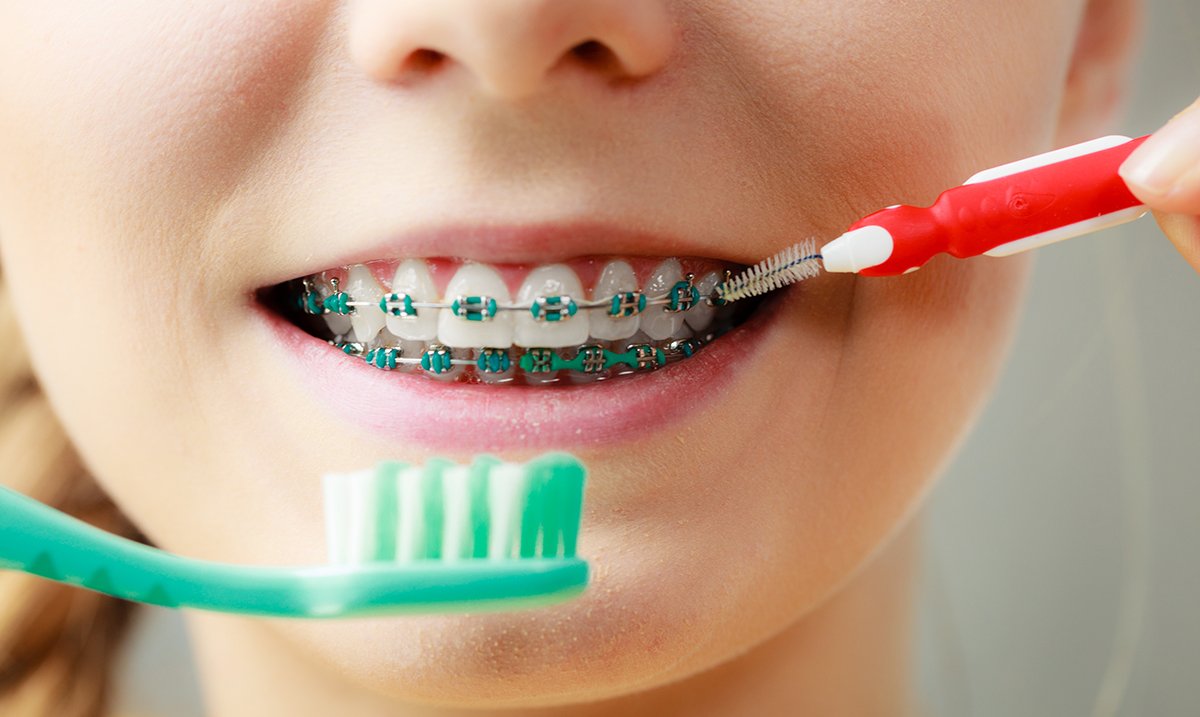
Caring for an Orthodontic Appliance
Proper care helps an appliance continue working as designed. Patients should:
Brush thoroughly around fixed appliances, brackets, bands, and wires.
Clean removable appliances according to the instructions provided by our team.
Keep removable appliances in their protective case when they are not being worn.
Avoid hard, sticky, or chewy foods that could bend or loosen appliance components.
Wear elastics, headgear, facemasks, retainers, and other removable appliances exactly as prescribed.
Continue regular dental cleanings and examinations during orthodontic treatment.
Small habits make a measurable difference in orthodontic progress. Clean appliances, consistent wear, and scheduled office visits help treatment stay on course.
Orthodontic Appliance Problems and Emergencies
Mild pressure or tenderness can occur after an appliance is placed or adjusted. Warm saltwater rinses, softer foods, orthodontic wax, and over-the-counter pain medication used as directed may help with temporary discomfort.
Contact our office if you experience:
A loose band, bracket, wire, or fixed appliance
A wire that is poking or irritating the mouth
A removable appliance that is cracked, bent, or no longer fits
Headgear, a facemask, or a facebow that has become bent or damaged
Persistent pain that does not improve
An appliance that has been lost or cannot be worn as directed
Orthodontic wax may provide temporary relief from a sharp wire, loose bracket, or irritating component, but it does not replace a professional repair. Do not continue wearing bent headgear, a damaged facemask, or a distorted facebow until you have spoken with our team.
Heavy bleeding, difficulty breathing, severe facial trauma, or a suspected broken jaw requires immediate medical attention. For appliance damage, loose components, or ongoing orthodontic discomfort, contact Cuozzo Orthodontic Specialists so we can determine the appropriate next step.
Appliances Are One Part of a Complete Treatment Plan
An orthodontic appliance is most effective when it is selected for the right reason and monitored throughout treatment. Our orthodontists evaluate how the teeth, bite, and jaws respond so adjustments can be made when needed.