
Your First Month with Braces: A Parent's Guide to What's Normal and What Comes Next
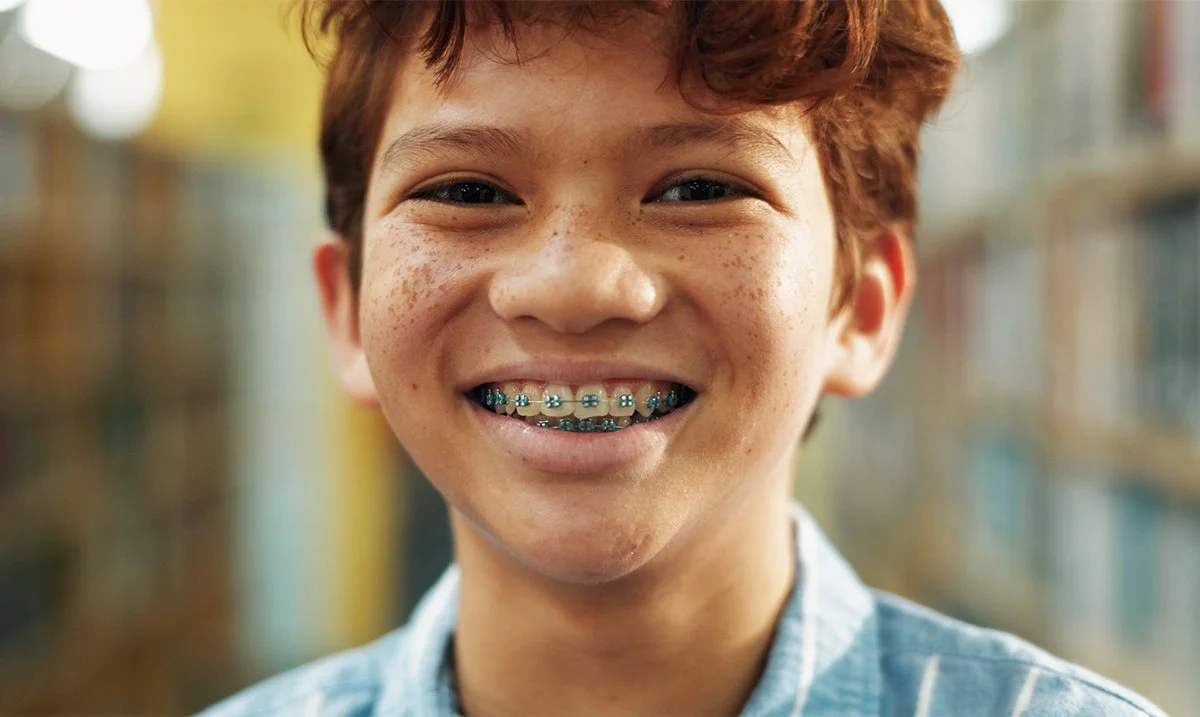
Getting braces is a big milestone. Whether your child just got their brackets placed yesterday or you are counting down to their appointment at Cuozzo Orthodontics in Sea Girt or Lincroft, the first month is full of new experiences for the whole family. And that is a good thing.
Since 1972, our team in Monmouth County has helped thousands of kids, teens, and adults through this exact transition. Dr. Pat Cuozzo and Dr. James Dodd see it every day: parents walk in a little nervous, and within weeks they are already noticing changes in their child's smile. The adjustment period is real, but it is also temporary, completely normal, and a sign that the treatment is doing exactly what it should.
Here is everything you need to know about what to expect with braces during those first few weeks.
The First 24 to 48 Hours: Getting Used to Something New
The moment your child leaves our office with their new braces, a few things are happening at once. Their teeth are experiencing gentle, steady pressure for the first time. Their lips and cheeks are getting used to the feel of brackets. And their brain is adjusting to a mouth that simply feels different.
What your child might notice:
A feeling of tightness or pressure on the teeth (this is the braces doing their job)
Mild tenderness when biting down, especially on harder foods
The inside of the cheeks and lips may feel a little irritated as they adjust to the brackets
None of this is cause for concern. Think of it like breaking in a new pair of shoes - there is a brief period where things feel unfamiliar, and then it becomes second nature.
What you can do to help:
Stick to soft foods for the first few days: yogurt, mashed potatoes, pasta, smoothies, scrambled eggs, and soup are all great choices
Over-the-counter pain relievers like ibuprofen or acetaminophen can take the edge off if needed
Orthodontic wax (we send it home with every patient) can be placed over any bracket that is rubbing against the cheeks
Most kids tell us the tenderness fades significantly by day three or four.
Week One: Building New Habits
By the end of the first week, your child is settling into a routine. The initial tenderness has faded, and now it is all about building the habits that will keep their treatment on track.
Brushing and Flossing
This is the single most important thing parents can support during treatment. Braces create extra surfaces where food can get trapped, so brushing after every meal matters more than ever. We recommend:
A soft-bristled toothbrush angled at 45 degrees along the gum line
Brushing above and below each bracket
Using a floss threader or orthodontic flosser to get between the teeth and under the wire
A water flosser can be a game-changer for kids who struggle with traditional floss
Make it part of the morning and bedtime routine, and remind your child to do a quick brush after lunch at school if possible.
Knowing What to Eat (and What to Skip)
One of the most common questions we get from parents during the first week is about food. The good news is that your child can still enjoy most of their favorites. The short list of things to avoid comes down to anything that could break a bracket or bend a wire:
Hard foods like ice, hard candy, and whole nuts
Sticky foods like caramel, taffy, and gummy candy
Biting directly into hard items like whole apples or corn on the cob (cut them up instead)
For a more detailed breakdown, check out our guide on foods you can and can't eat with braces.
Weeks Two and Three: The Adjustment Period in Full Swing
This is the stretch where most parents start to relax - and where the magic of orthodontic treatment really begins.
What Is Actually Happening Inside the Mouth
Here is the fascinating part: braces work by applying continuous light pressure to the teeth. That pressure signals the bone around each tooth to remodel itself, allowing the tooth to gradually shift into its new position. The mild soreness your child felt during the first few days was the beginning of that biological process.
By week two, the initial sensitivity is usually gone. Your child's cheeks and lips have toughened up. Eating feels normal again. They might even forget the braces are there during parts of the day.
Common Adjustments That Are Completely Normal
Parents sometimes search for information about the "side effects of braces" during this phase. We understand the instinct to make sure everything is going well. Here is what falls squarely in the "normal" category:
Mild soreness after adjustments. Each time we change a wire or add new components, the teeth may feel tender for a day or two. This means the treatment is progressing.
Cheek and lip adaptation. The soft tissue inside the mouth builds up a natural tolerance to the brackets, usually within the first two weeks.
Slight changes in speech. Some kids notice a minor lisp for the first few days, especially with certain bracket types. This resolves quickly as the tongue adjusts.
Increased saliva production. The mouth temporarily produces more saliva in response to having something new in there. This settles down within a week or so.
A loose feeling in the teeth. This can sound alarming, but it is actually a sign that teeth are moving. The bone around each tooth is remodeling, which means the teeth may feel slightly mobile during active treatment. They firm back up once they reach their new positions.
Every one of these experiences is part of the normal treatment process. They are not something going wrong - they are evidence that treatment is working. For a deeper look at how to manage common adjustments during treatment, we have a helpful resource on managing the normal adjustment period with metal braces.
Week Four: Finding Your Groove
By the end of the first month, most families have settled into a comfortable rhythm. Your child knows how to brush around their brackets. They have figured out their favorite brace-friendly snacks. And they have probably stopped thinking about the braces as much as they did on day one.
Early Wins to Watch For
While a full orthodontic treatment typically takes 12 to 24 months depending on the case, you might already notice some subtle changes by the end of month one:
A slightly rotated tooth starting to straighten
A gap beginning to close
The bite feeling a little different as teeth shift
These small victories are exciting. Take photos each month so you and your child can look back and see how far they have come.
What to Expect at the First Follow-Up
Your child's next appointment will typically be four to eight weeks after their braces are placed. During this visit, Dr. Cuozzo or Dr. Dodd will:
Check that all brackets and wires are secure
Evaluate how the teeth are responding to treatment
Possibly change the archwire to continue progressing
Answer any questions you have been saving up
These appointments are usually quick - 15 to 30 minutes - and are a great time to bring up anything you have noticed at home.
Tips for Parents: How to Make the First Month Easier
After more than 50 years of helping Monmouth County families through orthodontic treatment, we have picked up a few tips that make the transition smoother:
Stock the kitchen in advance. Before your child's appointment, load up on soft foods so you are ready for those first few days. Smoothie ingredients, mac and cheese, soups, and soft bread are all winners.
Keep orthodontic wax handy. Tuck a container in their backpack, your car, and the bathroom. It is the fastest fix for any bracket that is causing irritation.
Set a timer for brushing. Two minutes, twice a day minimum. A phone timer or an electric toothbrush with a built-in timer helps kids stay consistent.
Celebrate the milestone. Getting braces is a positive step toward a healthier, more confident smile. Mark the occasion - a special dinner of their favorite soft foods, a new playlist for the car ride home, whatever makes it feel like the exciting moment it is.
Do not panic over a loose bracket. It happens. If a bracket comes loose, call our office and we will get your child in for a quick repair. In the meantime, orthodontic wax can keep it comfortable.
When to Call the Orthodontist
Most of the first month is smooth sailing, but there are a few situations where you should give us a call:
A wire is poking into the cheek or gum and wax is not helping
A bracket has come completely off
Soreness lasts more than five to seven days after an adjustment
Your child has a mouth injury while wearing braces
You notice any signs of infection around the gums
Our team is always available to help. You can reach our offices here to schedule a quick check or ask a question.
Starting the Journey the Right Way
The first month with braces sets the tone for the entire treatment. When families know what to expect, the adjustment period feels less like an obstacle and more like the beginning of something great.
At Cuozzo Orthodontics, we believe every child deserves a smile they are proud of - and a treatment experience that feels supportive from start to finish. Dr. Cuozzo, a University of Pennsylvania instructor, and Dr. Dodd bring decades of combined expertise to every patient, and our team is specially trained to provide comfortable care for children of all needs, including patients with autism.
If your child is ready for braces - or if you are still exploring your options - we would love to welcome your family to either our Sea Girt or Lincroft location. The first step is always a complimentary consultation, and we will walk you through everything so there are no surprises.
The best smiles start with a great first month. Let's make it a good one.
Frequently Asked Questions
-
Most patients experience mild tenderness for three to five days after braces are first placed. The soreness typically peaks around day two and then fades steadily. Over-the-counter pain relievers and a soft food diet during those first few days make a big difference.
Is it normal for teeth to feel loose with braces? Yes, this is completely normal and actually a positive sign. Braces work by remodeling the bone around each tooth, which means the teeth may feel slightly mobile during active movement. Once the teeth reach their new positions, they firm up again.
-
Stick to soft foods like yogurt, mashed potatoes, pasta, scrambled eggs, smoothies, and soup. After the first week, your child can return to most of their regular diet while avoiding hard, sticky, and crunchy foods that could damage the brackets.
-
Most patients visit every four to eight weeks for adjustments. These appointments are typically quick, lasting 15 to 30 minutes, and are essential for keeping treatment on schedule.
-
Place orthodontic wax over the loose bracket to keep it comfortable, and call our office to schedule a repair appointment. A loose bracket is not an emergency, but it should be fixed within a few days to avoid delays in treatment.
-
Absolutely. We recommend wearing a mouthguard during contact sports to protect both the braces and the mouth. Orthodontic mouthguards are designed to fit comfortably over brackets and wires.