
Bite Correction: Understanding Overbites, Underbites, and Crossbites
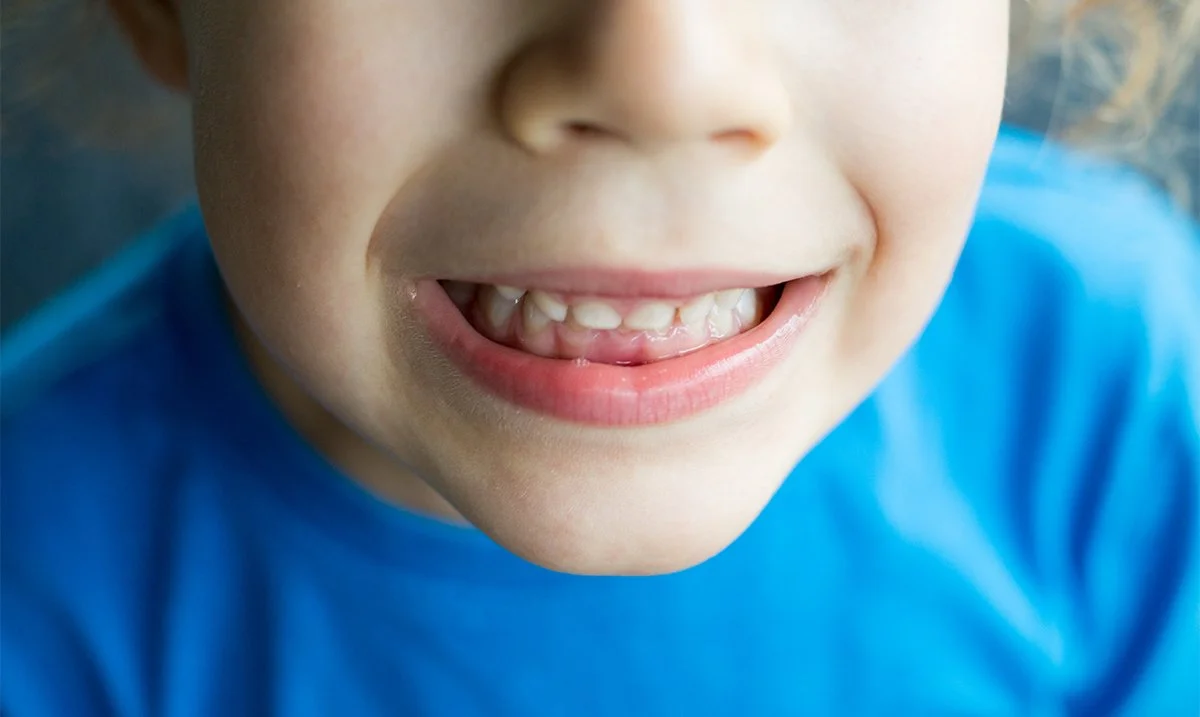
When your child's teeth don't line up the way they should, it's more than a cosmetic concern. Bite problems - also known as malocclusions - can affect how your child eats, speaks, breathes, and even how their jaw develops over time.
At Cuozzo Orthodontics, we've been helping families across Monmouth County understand and correct bite issues since 1972. Whether your child has an overbite, underbite, or crossbite, the first step is knowing what you're looking at and why it matters.
This guide breaks down the three most common bite problems parents ask us about, what causes them, and how professional bite correction works.
What Is a Bite Problem?
A healthy bite means the upper and lower teeth fit together in a balanced way. The upper teeth sit slightly over the lower teeth, and the back teeth (molars) mesh together without crowding or gaps.
When that alignment is off, orthodontists call it a malocclusion. There are several types, but the three that bring parents to our Sea Girt and Lincroft offices most often are overbites, underbites, and crossbites.
Each one affects the jaw and teeth differently, and each one responds well to early evaluation and professional correction.
Overbites: When the Upper Teeth Extend Too Far Forward
An overbite is the most common bite issue we see. With an overbite, the upper front teeth overlap the lower front teeth by more than they should. A small amount of overlap is normal - but when the upper teeth cover more than about one-third of the lower teeth, or jut forward significantly, it becomes a concern.
What Causes an Overbite?
Overbites often develop from a combination of factors:
Genetics. Jaw size and shape are inherited. If a parent had an overbite, their child may develop one too.
Childhood habits. Extended thumb sucking, pacifier use, or tongue thrusting can push the upper teeth forward over time.
Jaw growth imbalance. Sometimes the upper jaw grows faster than the lower jaw, creating an exaggerated overlap.
Why Overbite Correction Matters
Left untreated, a significant overbite can lead to:
Excessive wear on the lower front teeth
Jaw pain and TMJ discomfort
Difficulty biting into food properly
Increased risk of injury to protruding front teeth
Speech issues, particularly with "s" and "th" sounds
The good news is that overbites respond very well to orthodontic treatment, especially when caught early.
Underbites: When the Lower Jaw Sits Too Far Forward
An underbite is essentially the opposite of an overbite. With an underbite, the lower teeth and jaw extend past the upper teeth. When your child closes their mouth, the lower front teeth sit in front of the upper front teeth.
Underbites are less common than overbites, but they tend to be more noticeable and can have a bigger impact on jaw function.
What Causes an Underbite?
Genetics. Underbites run strongly in families. If a close relative has one, the chance increases significantly.
Upper jaw undergrowth. Sometimes the upper jaw doesn't develop fully, allowing the lower jaw to sit forward.
Lower jaw overgrowth. In other cases, the lower jaw grows larger than expected.
Childhood habits. Mouth breathing, prolonged bottle feeding, and tongue posture can all play a role.
Why Underbite Correction Matters
Underbites don't typically self-correct. Without treatment, they can cause:
Difficulty chewing and biting
Uneven tooth wear
Chronic jaw pain
Speech difficulties
Self-consciousness about facial appearance
Early intervention is especially important with underbites. Guiding jaw growth while a child is still developing can sometimes prevent the need for more involved treatment later.
Crossbites: When Upper and Lower Teeth Don't Line Up Side to Side
A crossbite happens when some of the upper teeth sit inside the lower teeth instead of outside them. Think of it this way: normally, the upper teeth form a slightly wider arch than the lower teeth. With a crossbite, that relationship is reversed in one or more spots.
Crossbites can occur in the front teeth (anterior crossbite) or the back teeth (posterior crossbite), and they can affect one side of the mouth or both.
What Causes a Crossbite?
Narrow upper jaw. This is the most common cause. If the upper jaw is too narrow, the upper teeth may sit inside the lower teeth.
Crowding. When there isn't enough room for all the teeth, some may erupt in the wrong position.
Jaw asymmetry. Uneven jaw growth can create a crossbite on one side.
Baby teeth issues. Losing baby teeth too early or too late can shift the alignment of incoming permanent teeth.
Why Crossbite Correction Matters
Crossbites are particularly important to address because they can cause the jaw to shift to one side when biting down. Over time, this can lead to:
Asymmetric jaw growth, especially in growing children
Excessive wear on specific teeth
Gum recession on the affected teeth
TMJ problems and jaw clicking
Facial asymmetry that becomes more pronounced with age
Of all bite issues, crossbites are the ones orthodontists are most likely to recommend treating early, because the jaw shift can become permanent if left alone during growth years.
Why Age 7 Is the Right Time for a Bite Evaluation
The American Association of Orthodontists recommends that every child have an orthodontic evaluation by age 7. That might sound early - most 7-year-olds still have a mix of baby teeth and permanent teeth - but that's exactly why it's the ideal time.
At age 7, an orthodontist can:
Spot developing bite problems before they get worse
Guide jaw growth while the bones are still malleable
Create space for permanent teeth that haven't come in yet
Identify habits (like tongue thrusting) that are contributing to misalignment
Determine timing for treatment that gets the best results with the least intervention
An early evaluation doesn't always mean early treatment. In many cases, we'll monitor your child's development and recommend the ideal window to begin. But catching a bite issue at 7 can make a real difference in treatment complexity down the road.
Dr. Pat Cuozzo and Dr. James Dodd both emphasize this in their approach to children's orthodontics - evaluate early, treat at the right time, and give every child the foundation for a healthy bite.
How Bite Correction Works
Every bite correction plan is customized to the specific problem, the patient's age, and how far along jaw development is. That said, here's a general overview of what treatment may involve:
For Overbites
Treatment typically focuses on moving the upper teeth back, encouraging the lower jaw forward, or both. Depending on the severity, this might involve braces, aligners, or specialized appliances that guide jaw positioning.
For Underbites
Early treatment may use expanders or growth-modifying appliances to encourage the upper jaw to catch up. In older patients with fully developed jaws, braces or aligners reposition the teeth. Severe skeletal underbites may eventually require a combined orthodontic and surgical approach.
For Crossbites
Palatal expanders are one of the most effective tools for crossbite correction in growing children. By widening the upper jaw gradually, the upper teeth move into their proper position over the lower teeth. Braces or aligners then fine-tune the alignment.
In all cases, the goal is the same: a balanced bite where the teeth meet evenly, the jaw functions without strain, and the results hold long-term.
When to Talk to an Orthodontist About Your Child's Bite
If you've noticed any of the following, it's worth scheduling an evaluation:
Your child's front teeth stick out noticeably
The lower teeth sit in front of the upper teeth
The teeth don't seem to line up evenly when your child smiles
Your child complains about jaw pain or difficulty chewing
You hear clicking or popping when your child opens their mouth
A dentist has mentioned a bite concern at a routine visit
You don't need a referral, and you don't need to wait until all the permanent teeth are in. An orthodontic evaluation gives you the information you need to make the best decision for your child.
Trusted Bite Correction in Monmouth County Since 1972
Cuozzo Orthodontics has been the practice Monmouth County families turn to for over 50 years. With two convenient locations in Sea Girt and Lincroft, and a team led by Dr. Pat Cuozzo - a University of Pennsylvania clinical instructor - and Dr. James Dodd, you're getting the kind of expertise that makes a lasting difference in your child's bite and confidence.
Ready to find out if your child needs bite correction? Schedule a consultation today, or contact us with any questions. We're here to help.
Frequently Asked Questions About Bite Correction
-
The American Association of Orthodontists recommends an initial evaluation by age 7. While treatment timing depends on the specific issue, early assessment allows the orthodontist to monitor development and intervene at the most effective time.
-
Minor spacing issues sometimes improve as permanent teeth come in, but structural bite problems like underbites and crossbites rarely self-correct. In many cases, they worsen as the jaw continues to grow without intervention.
-
Not always. Depending on the type and severity of the bite issue, treatment may involve braces, clear aligners, palatal expanders, or other orthodontic appliances. Your orthodontist will recommend the approach that fits your child's specific needs.
-
Treatment length varies depending on the type of malocclusion, the patient's age, and the complexity of the case. Many bite correction plans take 12 to 24 months, though early intervention phases may be shorter.
-
Bite correction is about much more than appearance. Untreated malocclusions can lead to jaw pain, difficulty eating, uneven tooth wear, speech issues, and long-term TMJ problems. A balanced bite supports your child's overall oral health.