
Understanding Tooth Decalcification: Prevention and Treatment During Braces
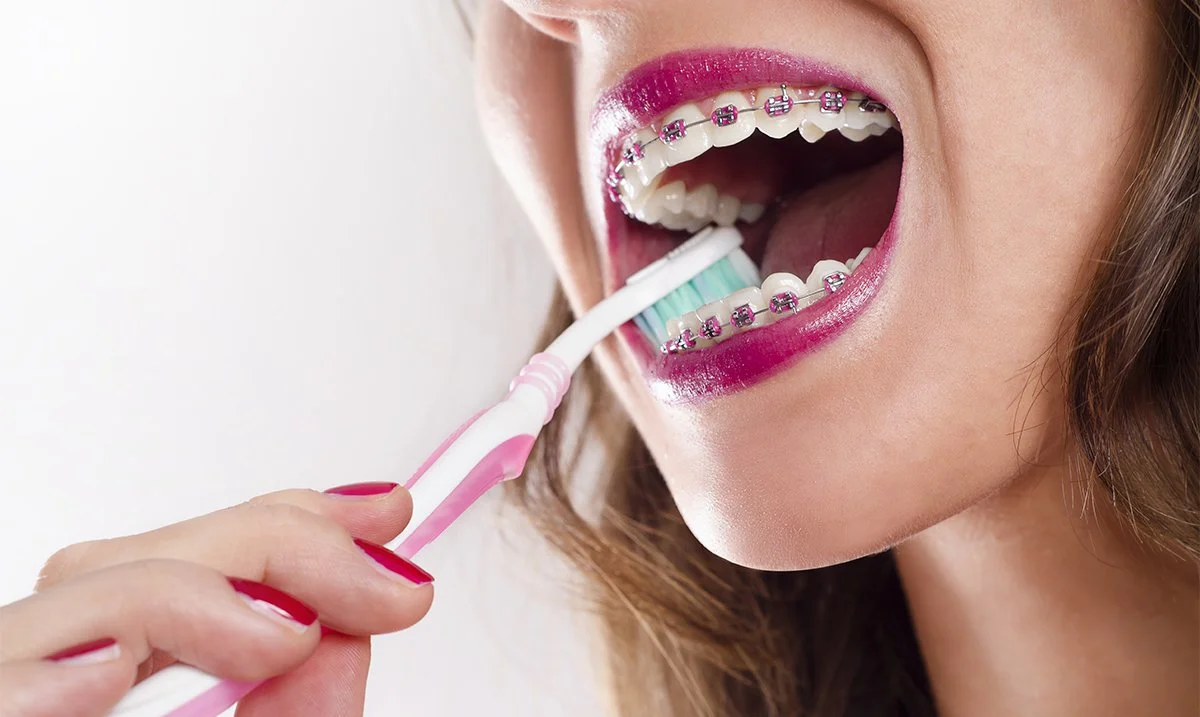
Decalcification creates white spots on teeth that can become visible after braces removal. Understanding what causes these spots and how to prevent them protects your investment in orthodontic treatment and ensures your new smile looks its best.
What Is Dental Decalcification?
Decalcification occurs when acids dissolve minerals from tooth enamel. These demineralized areas appear as chalky white spots on the tooth surface, typically around the edges of orthodontic brackets.
The medical term for this condition is enamel demineralization. While not the same as a cavity, decalcification represents the first stage of tooth decay and weakens the enamel.
Why Braces Increase Decalcification Risk
Orthodontic brackets create additional surfaces where plaque can accumulate:
Bracket edges - Plaque builds up where brackets meet the tooth surface
Around brackets - Small gaps trap food particles and bacteria
Wire areas - The arch wire makes thorough brushing more challenging
Elastic bands - Colored elastics can collect debris
Without meticulous oral hygiene, plaque accumulates in these areas. Bacteria in plaque produce acids that attack tooth enamel, causing decalcification.
Recognizing Decalcification
Decalcification typically appears as:
White or off-white spots on teeth
Chalky, matte appearance compared to surrounding enamel
Located around bracket perimeters
More visible after braces removal when spots contrast with healthy enamel
In early stages, decalcification may be barely noticeable. Left untreated, spots can darken or progress to cavities.
Prevention: The Best Approach
Preventing decalcification is far easier than treating it after it occurs. Consistent oral hygiene throughout orthodontic treatment protects your teeth.
Brushing Techniques for Braces
Standard brushing isn't sufficient with braces. Effective techniques include:
Angle the brush - Hold your toothbrush at a 45-degree angle to clean where brackets meet teeth
Brush systematically - Cover all surfaces: above brackets, below brackets, on brackets, and chewing surfaces
Take your time - Spend at least two minutes brushing, reaching all bracket areas
Brush frequently - Brush after every meal and snack, not just morning and night
Use the right brush - Soft-bristled or orthodontic toothbrushes work best; electric toothbrushes can be particularly effective
Flossing with Braces
Flossing takes longer with braces but remains essential:
Floss threaders - Help guide floss under the arch wire
Orthodontic flossers - Pre-threaded options simplify the process
Water flossers - Effective at removing debris around brackets
Interdental brushes - Small brushes clean between brackets and teeth
Molly, a teen patient at Cuozzo Orthodontics, shares how the staff prepared her: "They would always explain to me what they were doing before they even started and that made me feel really comfortable."
This thorough approach includes detailed instruction on caring for braces at home, helping patients understand exactly how to protect their teeth.
Fluoride Products
Fluoride strengthens enamel and helps prevent decalcification:
Fluoride toothpaste - Use a fluoride toothpaste at every brushing
Fluoride rinse - Daily fluoride mouthwash adds protection
Prescription fluoride - Your orthodontist may recommend prescription-strength fluoride products
Professional applications - In-office fluoride treatments during adjustment appointments
Diet Modifications
What you eat affects decalcification risk:
Limit sugary foods and drinks - Sugar feeds the bacteria that produce enamel-damaging acids
Reduce acidic beverages - Soda, sports drinks, and citrus juices directly erode enamel
Choose water - Water rinses away food particles and doesn't contribute to acid production
Eat crunchy vegetables - Raw vegetables can help clean teeth naturally
For more on diet during orthodontic treatment, see our guide on foods to avoid with braces.
The Role of Your Orthodontic Team
Regular orthodontic appointments include more than just adjusting wires. The team monitors your oral health throughout treatment.
David, a patient at Cuozzo Orthodontics, describes the attention to detail: "Everyone is just incredible personalities, warm and inviting and thorough."
This thoroughness extends to checking for early signs of decalcification. If your orthodontist notices developing white spots, they can intervene with:
Enhanced fluoride treatments
Modified brushing instructions
More frequent cleaning appointments
Referral to your dentist for professional cleanings
Communication Is Key
Report any concerns to your orthodontic team:
Difficulty cleaning certain areas
Persistent food trapping
White spots you notice developing
Bleeding gums or sensitivity
Early intervention prevents minor issues from becoming significant problems.
What Causes Decalcification to Develop?
Despite best efforts, decalcification sometimes occurs. Common contributing factors include:
Inconsistent Oral Hygiene
Skipping brushing sessions or rushing through oral care allows plaque to accumulate and acids to attack enamel.
High-Sugar Diet
Frequent consumption of sugary foods and drinks feeds acid-producing bacteria. Even healthy choices like fruit juice can contribute to enamel erosion.
Insufficient Fluoride
Patients who skip fluoride rinses or don't use fluoride toothpaste consistently have higher decalcification risk.
Difficulty Accessing Bracket Areas
Some patients struggle to clean around brackets effectively, especially in back teeth. Switching brushing tools or techniques can help.
Extended Treatment Time
Longer treatments increase exposure time. If treatment extends beyond the original estimate, maintaining vigilant oral care becomes even more important.
Treatment Options for Existing Decalcification
If decalcification has already occurred, several treatment options can improve appearance:
Remineralization Treatments
Early-stage decalcification may respond to remineralization:
MI Paste - Contains calcium and phosphate to help restore minerals
Prescription fluoride treatments - Stronger fluoride formulations
Remineralizing toothpastes - Products designed to rebuild enamel
Improved oral hygiene - Sometimes reversing habits is enough for mild cases
Remineralization works best on superficial decalcification caught early.
Microabrasion
For persistent white spots, microabrasion removes a thin layer of enamel, blending the appearance:
Minimally invasive procedure
Uses a mild acid and pumice combination
Often completed in one appointment
Best for superficial spots
Resin Infiltration (Icon Treatment)
This relatively new technique fills demineralized areas with resin:
No drilling required
Matches surrounding tooth color
Long-lasting results
Single appointment procedure
Effective for moderate decalcification
Bonding or Veneers
Severe decalcification may require cosmetic treatment:
Dental bonding - Tooth-colored resin covers affected areas
Porcelain veneers - Thin shells cover the front of teeth
Reserved for cases where other treatments prove insufficient
Professional Whitening
Sometimes professional whitening can make decalcification less noticeable by brightening surrounding enamel. However, this doesn't treat the decalcification itself and may not be suitable for all cases.
Protecting Your Investment
Orthodontic treatment represents a significant investment of time and money. Decalcification undermines that investment by leaving visible marks after braces come off.
Dr. James Burden, a dentist who chose Cuozzo Orthodontics for his family, recognizes the importance of comprehensive care: "This is where I would go. This is where my kids go for their orthodontic care."
When dental professionals trust their families' treatment to a practice, it reflects confidence in both the orthodontic results and the attention to overall oral health throughout treatment.
Tips for Parents
Helping children maintain proper oral hygiene during orthodontic treatment:
Make Oral Care Easy
Keep a toothbrush and toothpaste at school
Pack a travel oral care kit for activities
Set phone reminders for brushing
Stock up on floss threaders and interdental brushes
Monitor Without Nagging
Do periodic "hygiene checks" together
Praise good habits
Address problems without criticism
Make dental visits a priority
Lead by Example
Children mirror parent behavior. Demonstrating good oral hygiene habits reinforces their importance.
Parents at Cuozzo Orthodontics appreciate the supportive approach. As Jeanine shares: "I didn't feel like just the patient. I felt like family."
This family-oriented atmosphere extends to helping parents and children succeed throughout treatment.
The End Result: A Smile Worth Protecting
Preventing decalcification ensures that when braces come off, you see the beautiful, healthy smile you've been working toward.
Madeline, whose treatment began at age 8, reflects on her results: "When I go through my phone and look at pictures of me before braces I just have to laugh... now with them off I feel so much more confident."
That confidence comes from straight teeth AND healthy enamel - both are essential to a truly beautiful smile.
Concerned About Decalcification?
If you notice white spots developing during treatment or have questions about prevention, talk to your orthodontic team. Early intervention prevents minor issues from becoming permanent marks.
Glen Gill summarizes his family's experience: "My overall experience with Cuozzo Orthodontics was phenomenal."
The team at Cuozzo Orthodontics partners with patients throughout treatment, ensuring not just straight teeth, but healthy, beautiful smiles that last.
Frequently Asked Questions
-
Yes. Mild cases may respond to remineralization treatments. More significant decalcification can be treated with microabrasion, resin infiltration, or cosmetic bonding.
-
Studies suggest 50-70% of orthodontic patients develop some degree of decalcification. However, with proper oral hygiene, most cases are mild and preventable.
-
Mild white spots may fade over time as enamel naturally remineralizes. More pronounced spots typically require treatment to improve their appearance.
-
Brush after every meal, floss daily, use fluoride products, limit sugary foods and drinks, and attend all scheduled orthodontic and dental appointments.
-
Decalcification is less common with removable aligners because patients can brush normally. However, poor hygiene or frequently eating with aligners in place can still cause problems.